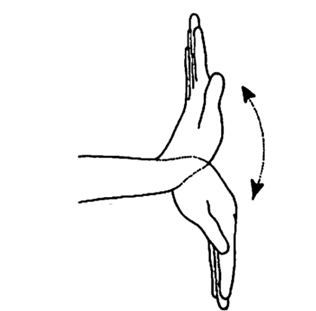
Pause for a moment and consider the silent workhorses of your daily life: your wrists. These intricate joints are pivotal for almost every action involving your hands and arms, from typing emails and stirring your morning coffee to lifting groceries and embracing a loved one. Yet, despite their ceaseless activity, how often do we truly give them conscious, restorative attention? They are highly susceptible to stiffness, pain, and conditions born from repetitive strain, often without us realizing until discomfort sets in. This brings us to Manibandhana Naman, or Wrist Bending.
In “The Blueprint of Being” series, we believe that true well-being is cultivated through mindful engagement with every part of ourselves, no matter how small or seemingly ordinary. Manibandhana Naman, in its deceptively simple motion, offers a vital ‘blueprint’ for releasing accumulated tension, enhancing flexibility, and restoring vital energetic flow throughout your forearms and hands.
So, let’s turn our conscious awareness to these pivotal joints. In this deep dive, we’ll explore how conscious breath harmonizes your body and mind within Manibandhana Naman. We’ll draw deeply from ancient wisdom to understand its subtle energetic effects and psychological benefits, and then illuminate its surprising physical and neurological advantages through the clear lens of modern scientific research.
Harmonizing Body, Breath, and Mind
Having understood the vital role of our wrists, let’s now explore how the seemingly simple action of Manibandhana Naman (Wrist Bending) transforms into a profound practice. It’s through the deliberate integration of conscious awareness, breath, and the subtle energies that this movement truly fosters harmony and fluidity in the upper limbs.
The Breath Connection
The conscious coordination of breath with movement is fundamental to all yogic practices, and Manibandhana Naman is no exception. This synchronization elevates the physical action, turning it into a rhythmic, moving meditation that enhances its therapeutic and energetic effects.
Synchronized Breathing: As you bend your wrist, pulling your hand back towards your forearm (dorsiflexion), inhale deeply and smoothly. As you then bend your wrist forward, letting your hand drop down (palmar flexion), exhale completely and steadily. Maintain a smooth, continuous flow of breath, allowing it to guide and complement the wrist’s movement. This rhythmic linking of breath and motion helps to maximize the release of tension during the exhale and draw in fresh energy with the inhale.
Deep, Even Breaths: Cultivate long, unforced, and even breaths throughout the practice. This mindful breathing not only calms the nervous system but also directs prana (vital life force) more effectively into the wrist joint and surrounding tissues. Consciously breathing into this often-tense area can highlight subtle blockages and promote a greater sense of energetic flow and pliability.
Ancient Wisdom: Cultivating Mind and Energy
From an ancient yogic perspective, our wrists are pivotal crossroads where energetic pathways converge, making them crucial points for facilitating the flow of life force to and from the hands. Manibandhana Naman, therefore, is a powerful practice for subtle body activation, mental discipline, and releasing energetic stagnation in the upper limbs.
Drishti (Focused Gaze) and Mental Discipline: Direct your full, unwavering attention to the movement and sensations within your wrist joint as it bends. You can softly gaze at your hand, or close your eyes to deepen your internal focus. This deliberate application of drishti cultivates heightened concentration and one-pointedness of mind. By precisely observing the nuances of mobility, release, and the intricate connection between hand and forearm, you train your mind to remain present, quiet, and acutely aware, which is a fundamental step towards deeper meditative states.
Prana (Life Force) and Energetic Flow: In yogic philosophy, prana flows through subtle energy channels called nadis. The wrists, like the ankles, are key joints where prana can often become stagnant, manifesting as stiffness, tingling, or even a sense of weakness. The systematic bending of Manibandhana Naman is traditionally believed to be highly effective at stimulating and clearing these energetic obstructions in the nadis around the wrist, promoting a free and balanced circulation of vital energy throughout the entire upper limbs, leading to feelings of increased warmth, vitality, and energetic lightness.
Connection to Expression and Fluid Action: The flexibility of our wrists is intimately connected with our capacity for fluid expression and purposeful action in the world, whether through writing, art, communication, or everyday tasks. From an ancient perspective, a liberated wrist allows for a more unrestricted flow of creative and expressive energy. Consciously working the wrists is believed to not only improve physical dexterity but also enhance one’s ability to manifest intentions with grace and ease.
The Scientific Lens: Manibandhana Naman’s Measurable Advantages
While ancient yogic wisdom offers profound insights into the subtle and energetic effects of Manibandhana Naman, contemporary science provides compelling empirical evidence that underscores its practical significance. Even as a seemingly simple, repetitive movement, wrist bending yields measurable benefits that contribute significantly to our physical function, neurological health, and overall well-being.
Physical Benefits
Improved Wrist Flexibility and Range of Motion: The repetitive motion of wrist bending systematically moves the joint through its full range of flexion and extension. This regular, gentle articulation is crucial for maintaining and improving wrist flexibility, which is vital for daily tasks such as typing, writing, lifting, and engaging in sports.
Enhanced Circulation to Hands and Forearms: The rhythmic compression and release of the muscles and tissues in the wrist and forearm act as a powerful pump. This action significantly boosts micro-circulation, driving fresh, oxygenated blood into the hands and fingers. This enhanced blood flow is essential for preventing stiffness, numbness, and supporting the health of all surrounding tissues.
Prevention and Relief for Wrist Issues: By promoting mobility, circulation, and subtle strengthening, Manibandhana Naman can help prevent and alleviate common conditions such as Carpal Tunnel Syndrome (by improving fluid dynamics and reducing stagnation around the nerve), tendinitis, and general pain or stiffness associated with repetitive strain injuries (RSIs) from computer use or other manual tasks.
Strengthening Forearm Muscles: The controlled, conscious movement engages and tones the flexor and extensor muscles in the forearm that are responsible for moving the wrist. Regular practice leads to subtle but important improvements in the strength and endurance of these muscles, which provides greater stability to the wrist joint.
Mental & Neurological Benefits
Enhanced Fine Motor Control and Coordination: The intricate movements of the wrist, consciously performed, provide rich sensory feedback to the brain. This refines the neural pathways responsible for fine motor control and hand-eye coordination, improving precision and dexterity in a wide range of tasks.
Proprioception and Body Mapping in the Wrists: The wrist joint is dense with proprioceptors, sensory receptors that tell the brain about the body’s position and movement. Manibandhana Naman stimulates these receptors, sending detailed information to the brain and significantly enhancing the brain’s internal “map” of the wrists and hands. This contributes to greater overall body awareness and motor planning.
Stress Reduction and Tension Release: Many people unconsciously hold tension in their forearms and wrists, often from prolonged or repetitive tasks. The conscious, rhythmic bending in Manibandhana Naman provides a physical outlet for this accumulated tension. The practice, when combined with breath, can also help activate the parasympathetic nervous system, inducing a calming effect.
Sensory Integration and Brain Health: Engaging in precise, controlled, and sensory-rich movements offers a powerful stimulus to various areas of the brain involved in sensory processing and motor learning. This “brain workout” supports neuroplasticity, fostering adaptability and resilience in the central nervous system.
Conclusion
As we conclude our deep dive into Manibandhana Naman (Wrist Bending), it becomes abundantly clear that true freedom and efficiency in our actions begin with the health of our foundational joints. The wrists, as the vital link between our hands and forearms, are pivotal to our ability to interact with the world, and this seemingly simple practice beautifully illustrates yoga’s holistic approach to cultivating well-being.
Manibandhana Naman is far more than a simple joint exercise; it’s a moving meditation, a pathway to deeper body-mind integration, and a critical practice for cultivating fluidity and resilience in our daily lives. It powerfully embodies a key aspect of the “Blueprint of Being” – that by nurturing the health and awareness of even our most hard-working joints, we enhance the vitality and capability of our entire being.
We wholeheartedly invite you to integrate Manibandhana Naman into your daily routine. Take a few conscious moments each day to mindfully bend your wrists, experiencing the liberating sensation of releasing tension and awakening vitality. Discover how embracing this simple practice can deepen your connection to your own capacity for fluid action, effortless expression, and inner peace.